3D Printing in Toy Restoration: Revolutionizing Collectibles

The world of collectibles is evolving, and one of the most exciting developments is the use of 3D printing in toy restoration. This technology is not just a passing trend; it is reshaping how collectors and restorers approach damaged or incomplete toys. With the ability to create precise replicas of missing parts or even entire toys, 3D printing is making it possible to breathe new life into cherished collectibles.
The Rise of 3D Printing in Collectibles
3D printing has gained traction in various industries, from healthcare to automotive. In the realm of collectibles, it offers unique advantages:
Customization: Collectors can create parts tailored to their specific needs.
Cost-Effectiveness: Producing parts through 3D printing can be cheaper than traditional manufacturing.
Accessibility: With the rise of home 3D printers, more collectors can engage in restoration projects.
How 3D Printing Works
At its core, 3D printing involves creating a three-dimensional object from a digital file. The process typically includes the following steps:
Design: A digital model of the object is created using CAD software.
Slicing: The model is sliced into layers, which the printer will create one at a time.
Printing: The printer builds the object layer by layer, using materials like plastic, resin, or metal.
Post-Processing: After printing, the object may require cleaning, painting, or assembly.
The Impact on Toy Restoration
Reviving Vintage Toys
Many collectors have vintage toys that are missing parts or have suffered damage over the years. Traditional restoration methods can be labor-intensive and may not yield satisfactory results. 3D printing offers a solution by allowing restorers to create exact replicas of missing components.
For example, consider a vintage action figure that is missing its weapon. A collector can scan the original weapon or find a digital model online, then print a new one that fits perfectly. This not only restores the toy's value but also preserves its historical significance.
Case Study: Restoring a Classic Action Figure
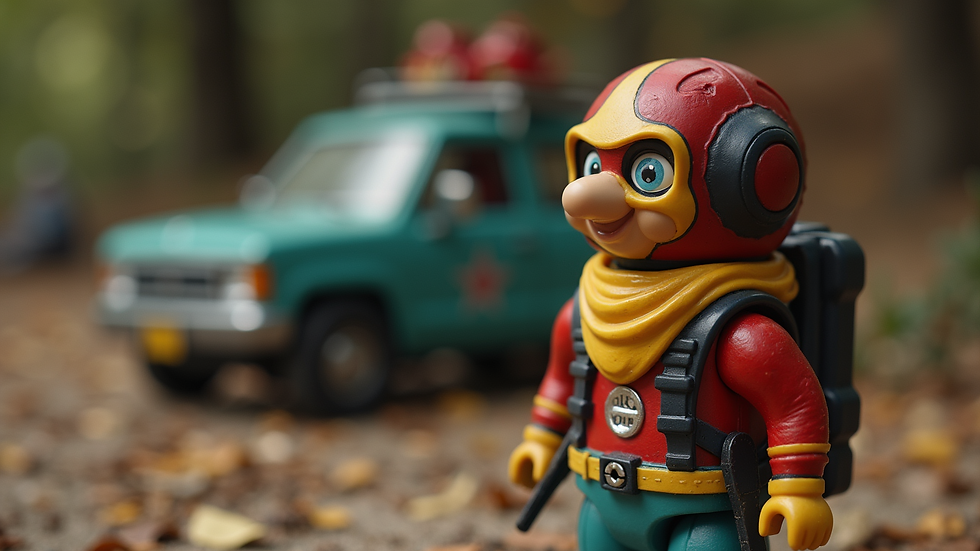
A notable example of 3D printing in toy restoration is the case of a 1980s action figure that had lost its original accessories. The collector used a 3D scanner to capture the dimensions of the remaining parts and then designed the missing accessories using CAD software. After printing the new parts, the collector was able to restore the figure to its original condition, significantly increasing its value.
Enhancing Collectible Value
Restoration can significantly enhance the value of collectibles. A well-restored toy can fetch a higher price in the market, making 3D printing an attractive option for collectors looking to invest in their collections.
Challenges in 3D Printing for Toy Restoration
While 3D printing offers many benefits, it is not without its challenges. Some of the common issues include:
Material Limitations: Not all materials are suitable for every toy type. Finding the right material that matches the original can be difficult.
Skill Level: Designing and printing parts requires a certain level of technical skill. Not all collectors may feel comfortable with the technology.
Legal Considerations: Replicating certain toys may infringe on copyrights or trademarks. Collectors should be aware of the legal implications before proceeding with restoration.
Tools and Resources for Toy Restoration
Essential Tools
To get started with 3D printing for toy restoration, collectors will need a few essential tools:
3D Printer: A reliable printer that can handle the materials needed for toy parts.
CAD Software: Programs like Tinkercad or Fusion 360 can help in designing parts.
3D Scanner: Useful for capturing the dimensions of existing parts.
Online Resources
There are numerous online platforms where collectors can find digital models for 3D printing. Websites like Thingiverse and MyMiniFactory offer a wide range of models, including toy parts. Additionally, forums and communities dedicated to 3D printing can provide valuable tips and support.
The Future of Toy Restoration with 3D Printing
As technology continues to advance, the future of toy restoration looks promising. Innovations in materials and printing techniques will likely lead to even more realistic and durable replicas.
Expanding the Community
The community of collectors and restorers is also growing. More enthusiasts are sharing their experiences and knowledge, creating a collaborative environment where individuals can learn from one another. This sharing of information is crucial for the continued evolution of toy restoration practices.
Sustainability in Collectibles
3D printing also opens the door to more sustainable practices in toy restoration. By creating parts on demand, collectors can reduce waste and avoid the environmental impact of mass production. This aligns with a growing trend towards sustainability in consumer habits.
Conclusion
3D printing is revolutionizing the world of toy restoration, offering collectors new ways to preserve and enhance their cherished items. With the ability to create precise replicas of missing parts, collectors can restore toys to their former glory, increasing their value and significance. As technology advances and the community grows, the future of toy restoration looks bright.
For collectors interested in diving into this exciting field, now is the perfect time to explore the possibilities of 3D printing. Whether you're looking to restore a beloved childhood toy or enhance your collection, the tools and resources are more accessible than ever. Embrace the future of collectibles and start your restoration journey today!


Comments